
Frequently Asked Questions
Home » Frequently asked questions
Chiptuning
Chiptuning is the process of modifying the engine control unit (ECU) to optimize your vehicle’s performance. It can result in increased horsepower, torque, and improved throttle response. It also enhances fuel efficiency, giving your vehicle better overall performance tailored to your driving needs.
Eco Tuning focuses on optimizing your vehicle’s engine for fuel efficiency without sacrificing performance. By fine-tuning the ECU, fuel consumption is reduced, making your vehicle more economical, especially for daily driving or long trips.
With an OEM Upgrade, the car receives the original factory software of a more powerful model in the same range. This brings the car to a power level that the vehicle’s manufacturer already offers.
With our chiptuning, the existing standard OEM factory settings in the ECU are further optimized by Rica Engineering. This results in more personalized and higher performance-oriented improvements.
We offer a wide range of tuning options tailored to your specific vehicle make and model. These include Stage 1, Stage 2, Stage 3 & 4, and custom tunes to suit different driving styles and needs, from performance to fuel economy.
The iSoftloader is a tool that allows you to load, switch, or remove different tuning files on your vehicle’s ECU. You can easily install your custom tune or revert to the original settings from the comfort of your home.
DSG (Direct-Shift Gearbox) remapping optimizes your vehicle’s gearbox to improve gear shifts, responsiveness, and overall performance. It enhances driving smoothness, reduces shift delays, and can even improve fuel efficiency by adjusting the transmission's timing.
You will receive 50% discount on selected add-on services purchased i.c.w a Rica Stage, E-Power or OEM Tuning. Add-on services booked without a Rica Tuning are not eligible for the discount. It is not possible to apply discounts retroactively. This promotion is valid at all Rica distributors and dealers.
Software Deletes
An AdBlue Delete disables the AdBlue system in diesel engines, which is used to reduce emissions. You might need it if the system fails, leading to warning lights or costly repairs, or if you have modified the vehicle in a way that makes the system redundant.
A NOx sensor delete removes the functionality of the nitrogen oxide (NOx) sensors, which are part of the emissions control system. If these sensors become faulty or unnecessary due to other modifications, a NOx sensor delete can help prevent engine warning lights and limp mode.
Fault codes delete clears certain recurring error codes related to emissions systems or other parts of the vehicle that may no longer be relevant due to modifications. By removing these codes, the ECU can focus on performance without being hindered by unnecessary error messages or limp modes.
An EGR (Exhaust Gas Recirculation) Delete disables the EGR system, which recirculates exhaust gases back into the engine to reduce emissions. Removing it can improve engine performance and fuel efficiency by reducing soot buildup, but it may increase emissions.
A DPF (Diesel Particulate Filter) Delete is for diesel engines, while OPF/GPF (Otto/Gasoline Particulate Filter) Deletes apply to gasoline engines. Both filters reduce particulate emissions, and removing them can enhance performance and fuel economy, though it may affect legal compliance.
A Start/Stop Delete disables the automatic start/stop system that turns the engine off when idle to save fuel. Some drivers find it inconvenient, and removing it is generally safe for the engine, but it may lead to slightly higher fuel consumption in stop-and-go traffic.
Yes, deleting emissions-related systems like the AdBlue, DPF, EGR, or NOx sensors may cause your vehicle to no longer comply with environmental regulations in certain regions. Always check your local laws before proceeding with such modifications.
Additional Services
Standalone management refers to using an independent engine control unit (ECU) to manage your vehicle’s engine performance. This is often necessary for highly modified or motorsport vehicles where the stock ECU cannot handle advanced tuning requirements.
Yes, we specialize in custom software development for vehicle performance. Whether it’s bespoke tuning for race cars or specific modifications for road cars, we can tailor the software to meet your exact performance needs.
Performance parts can enhance your vehicle’s horsepower, torque, handling, and overall driving experience. They work in conjunction with software tuning to maximize the performance potential of your vehicle.
Dyno tuning involves testing your vehicle on a dynamometer to measure power and torque while adjusting the ECU for optimal performance. It ensures that your vehicle delivers the best possible performance, efficiency, and drivability across all conditions.
Yes, we offer comprehensive diagnostics and troubleshooting services for all makes and models. Using advanced tools, we can identify and resolve any issues affecting your vehicle’s performance or functionality.
F.A.Q. Volvo VEA gen2 / SPA 2019+ tuning
Please send us your vin number, and we are happy to check it.
No, we only tune the ICE (internal combustion engine).
No, unfortunately the iSoftloader is not suitable for the 2019+ models.
If the manufacturer detects any changes made to the ECM or software, you can expect your warranty void.
However, you can always put your original ECM back into the car and it will be back to factory spec.
We offer a 2 year warranty on the tuning and ECM.
Absolutely! Updates will continue to work as normal.
However, if the ECM has been replaced, then everything but the ECM can be updated at the dealer or OTA (Over-The-Air). Our ECM units have their own special security, and can only be updated by Rica engineering.
If you can’t find your model in our database or the in development section.
Please send us an email with your vin number and we will check it .
More About
Chiptuning
At Rica we develop and test our own tuning software, making sure you will get the best tuning software.
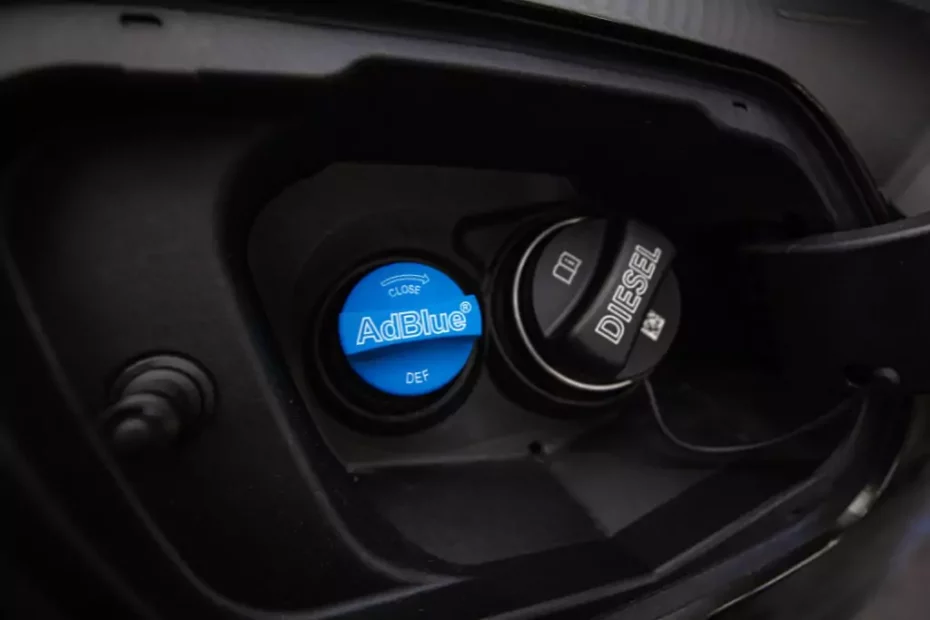
Adblue Delete
Improve your vehicle's performance by removing unnecessary or problematic emissions systems like AdBlue, DPF, EGR, and more. Click for more info about our Adblue Delete or check out our other Deletes.
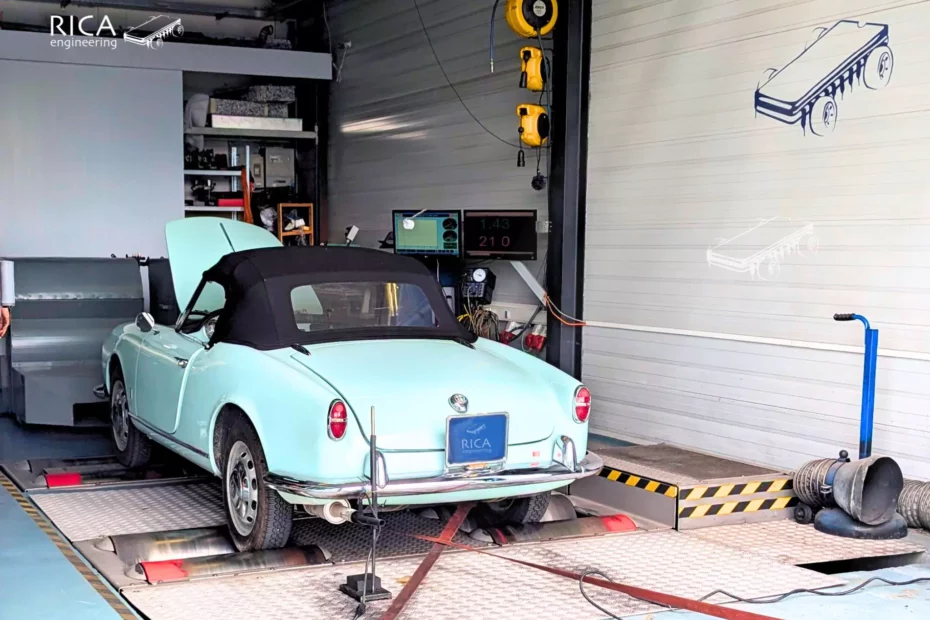
Diagnoctics & Troubleshooting
At Rica Engineering, we specialize in diagnostics and troubleshooting to ensure your vehicle operates smoothly and efficiently.
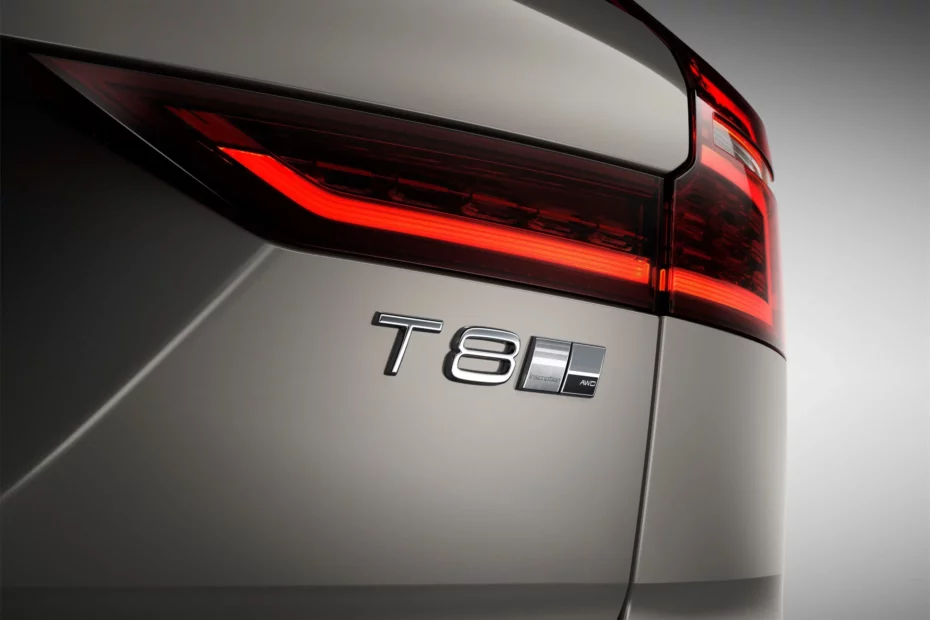
Volvo Engine Architecture
VEA is Volvo’s modular engine family introduced to replace older 5- and 6-cylinder engines.
Key characteristics:
2.0-liter, 4-cylinder only
Aluminum block and head, Direct injection Turbocharged or turbo + supercharged, Designed for efficiency, performance, and emissions compliance
All modern Volvo petrol engines are based on this 2.0L platform.
2.0-liter, 4-cylinder only
Aluminum block and head, Direct injection Turbocharged or turbo + supercharged, Designed for efficiency, performance, and emissions compliance
All modern Volvo petrol engines are based on this 2.0L platform.